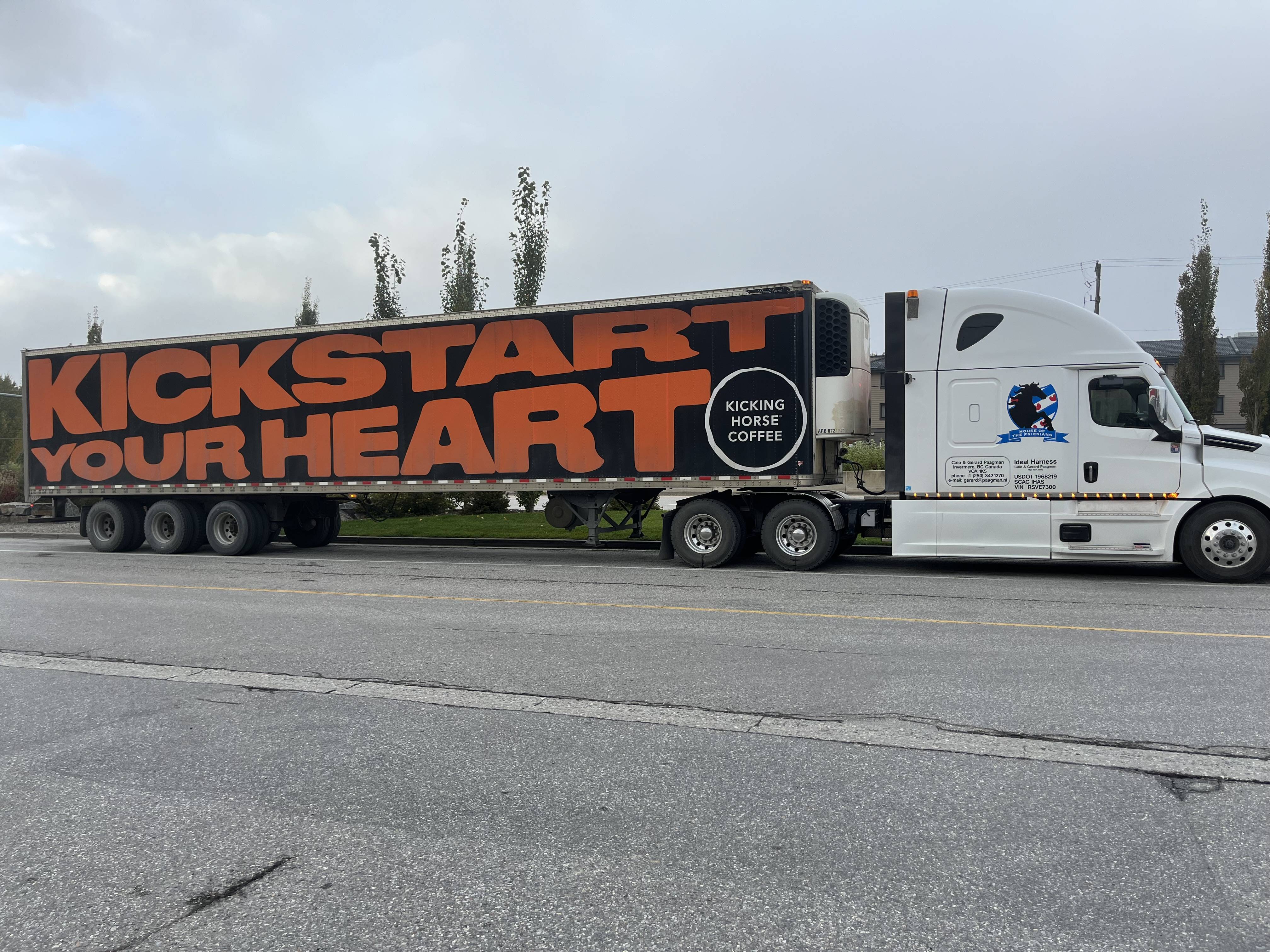
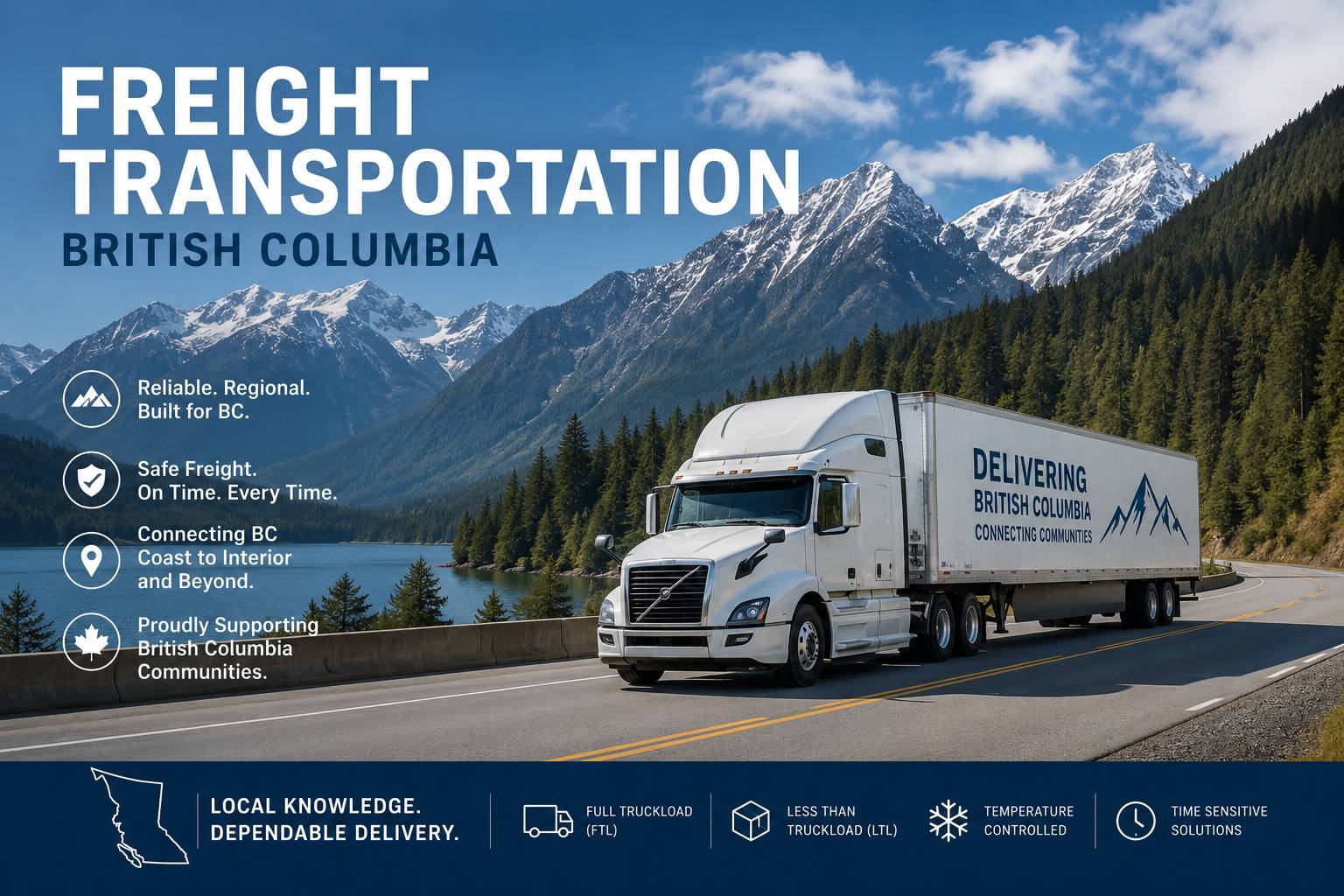
When you think about British Columbia, images of stunning landscapes, bustling cities, and the Pacific coastline often come to mind. But beneath this beautiful backdrop lies an intricate and dynamic network powering the province’s economy: freight transportation. Whether it’s moving goods from the ports of Vancouver to the rest of Canada or connecting local industries to global markets, freight transportation is the backbone that keeps British Columbia moving.
This week, let’s dive into what makes freight transportation in BC so essential, the various modes involved, and how this complex system is evolving to meet modern challenges.
British Columbia’s geography, with its mountains, rivers, and coastline, presents unique challenges and opportunities for freight movement. The province acts as a gateway between Canada and the Pacific Rim, making freight transportation here not only crucial locally but also internationally.
At the heart of this system is the Port of Vancouver, Canada’s largest and busiest port. It handles millions of tons of cargo annually, including containers, bulk goods, and automobiles. From here, goods travel via rail, truck, and air to reach markets across Canada and beyond.
Despite its strengths, BC’s freight system faces ongoing challenges. Congestion around urban centers, infrastructure aging, and environmental concerns are top of mind. The provincial government and industry stakeholders are actively investing in infrastructure upgrades, adopting green technologies, and improving logistics efficiency.
Notably, there’s a push toward sustainable freight solutions, including electric trucks, cleaner fuels, and optimizing supply chain routes to reduce carbon footprints. These initiatives aim to balance economic growth with environmental stewardship, a priority for many British Columbians.
Freight transportation might not be something we think about every day, but it impacts everything from the price and availability of goods to the vibrancy of local economies. Whether you’re a business owner relying on timely deliveries or a consumer enjoying diverse products on store shelves, the freight network in BC is working hard behind the scenes.
Understanding this system helps us appreciate the complexity and coordination needed to keep a province—and a country—connected and thriving.
As British Columbia continues to grow and adapt, freight transportation British Columbia will remain a critical focus. Emerging technologies like automation, smart logistics, and data-driven supply chain management promise to shape the future of how goods move across the province.




Comments