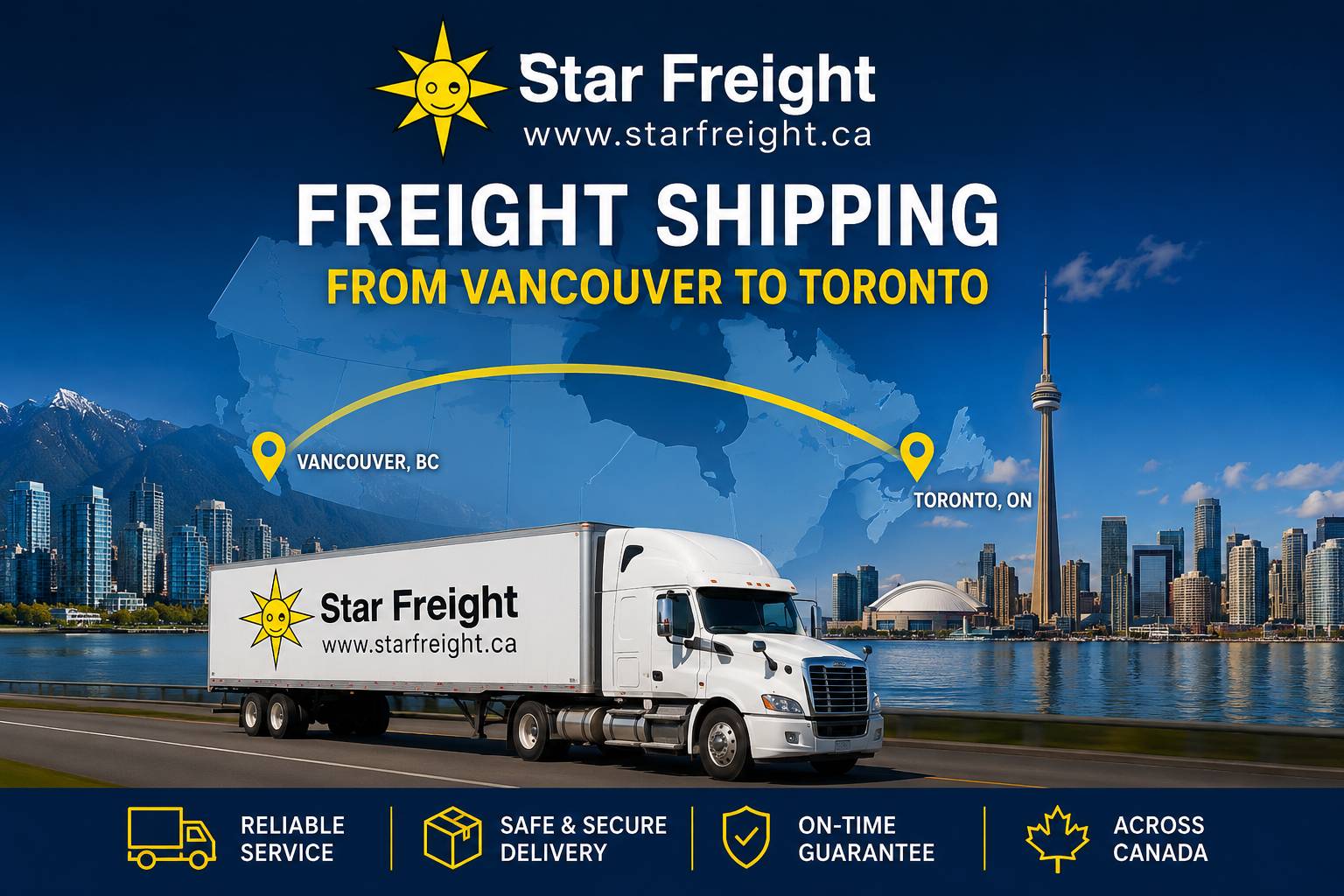
Welcome to this week’s deep dive into one of Canada’s most vital freight routes—shipping goods from the beautiful west coast city of Vancouver all the way to the bustling metropolis of Toronto. Whether you’re a business owner, logistics professional, or simply curious about how products make their journey across the vast Canadian landscape, you’re in the right place.
Moving freight between Vancouver and Toronto isn’t just a matter of piling goods onto a truck or train—it’s a complex, carefully coordinated process that reflects the scale and diversity of Canada’s economy. From fresh seafood and tech gear originating on the Pacific coast to manufacturing supplies and consumer goods headed east, this route is a lifeline facilitating commerce and connection across provinces.
The 4,400-kilometre trek between Vancouver and Toronto is typically handled through a combination of rail, road, and sometimes air freight, depending on urgency, budget, and cargo type.
Shipping freight across such a long distance comes with its own set of hurdles. Weather can be unpredictable, especially during Canadian winters when snow and ice may slow down transit times. Logistics planners must also navigate regulatory requirements and coordinate between multiple carriers to ensure seamless delivery.
Another key factor is timing: businesses often balance cost against speed, deciding whether to opt for slower, more economical rail transport or faster, more expensive trucking or air freight. This decision can affect inventory management and customer satisfaction significantly.
Whether you’re shipping electronics, raw materials, or retail goods, understanding the intricacies of freight shipping from Vancouver to Toronto helps you stay ahead in a competitive market.
Thanks for joining me on this journey through Canada’s freight corridors. Next week, we’ll explore innovative technologies shaping the future of logistics and supply chain management. Until then, safe and successful shipping!




Comments